Storm line open 24/7 · (406) 555-0142

Serving the Ashford ValleyMon–Fri 07:00–18:00 · Sat 08:00–13:00

HaldenRoofing Co.

(Materials library)

Six roofs, compared honestly

Every material has a trade-off. Here is how they compare on a typical Ashford Valley house, before anyone tries to sell you one.

Materials
6
Lifespans
25 to 100+ years
Guide rates
$520–$1,900 per square
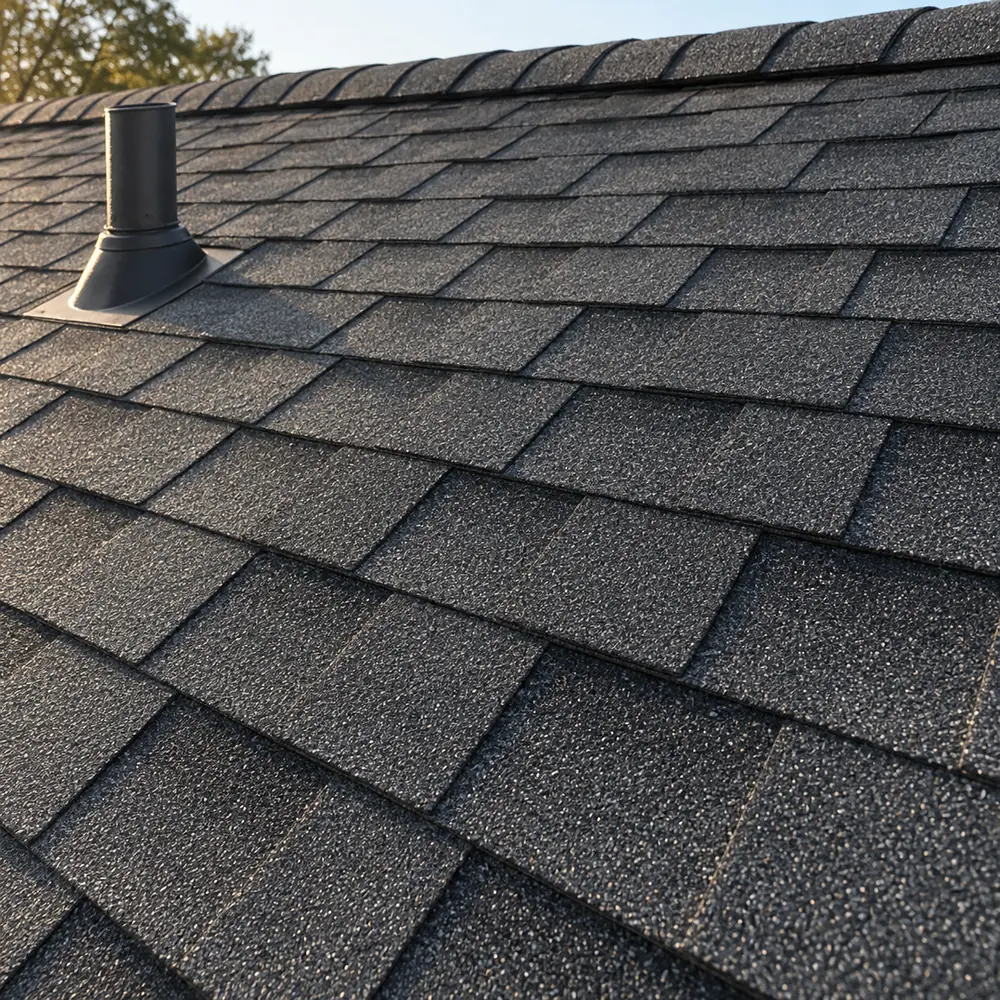
Close-up of charcoal architectural shingles around a black roof vent01 / 06

Architectural shingle

Laminated asphalt shingles with a shadow line that reads like wood or slate from the street. The best value per year on most homes, and the easiest to repair.

Two layers of fibreglass mat and asphalt bonded together, with ceramic granules on top. The laminated second layer gives the ragged, dimensional look and roughly doubles the weight of the old three-tab shingle, which is most of why it lasts longer in wind. We install it as a full system: synthetic underlayment over the whole deck, ice and water shield at eaves, valleys and every penetration, pre-bent drip edge, starter strip on eaves and rakes, and six nails per shingle on every job, not just in high-wind zones.

Lifespan
25–30 years
Wind rating
110–130 mph
Weight
240 lb/sq
Minimum pitch
2/12 (4/12 without extra underlayment)
Impact rating
Class 3 standard, Class 4 option
Typical install
3–5 days on a typical home

What it does well

  • Lowest cost per year of service on most homes
  • Any roofer can match and repair it for decades
  • Over 30 colours, so it suits almost any siding
  • Class 4 impact-rated versions cost about 10% more

What to weigh up

  • Granules wear off faster on south and west slopes
  • Hail over 1 inch will bruise standard grades
  • Needs a full tear-off when it is done, around the 25-year mark
How we install it
Tear-off to the deck, deck check with photos, 6-nail pattern, closed-cut or metal valleys, shingle-over ridge vent balanced with soffit intake.
Looking after it
Clear valleys and gutters each autumn, keep branches 6 feet off the roof, and look for loose granules in the downspouts after year 15.
Best for
Most houses, most budgets, and anyone planning to stay 10 to 25 years.

$520per square installed, guide rate 1 of 5

Price this material
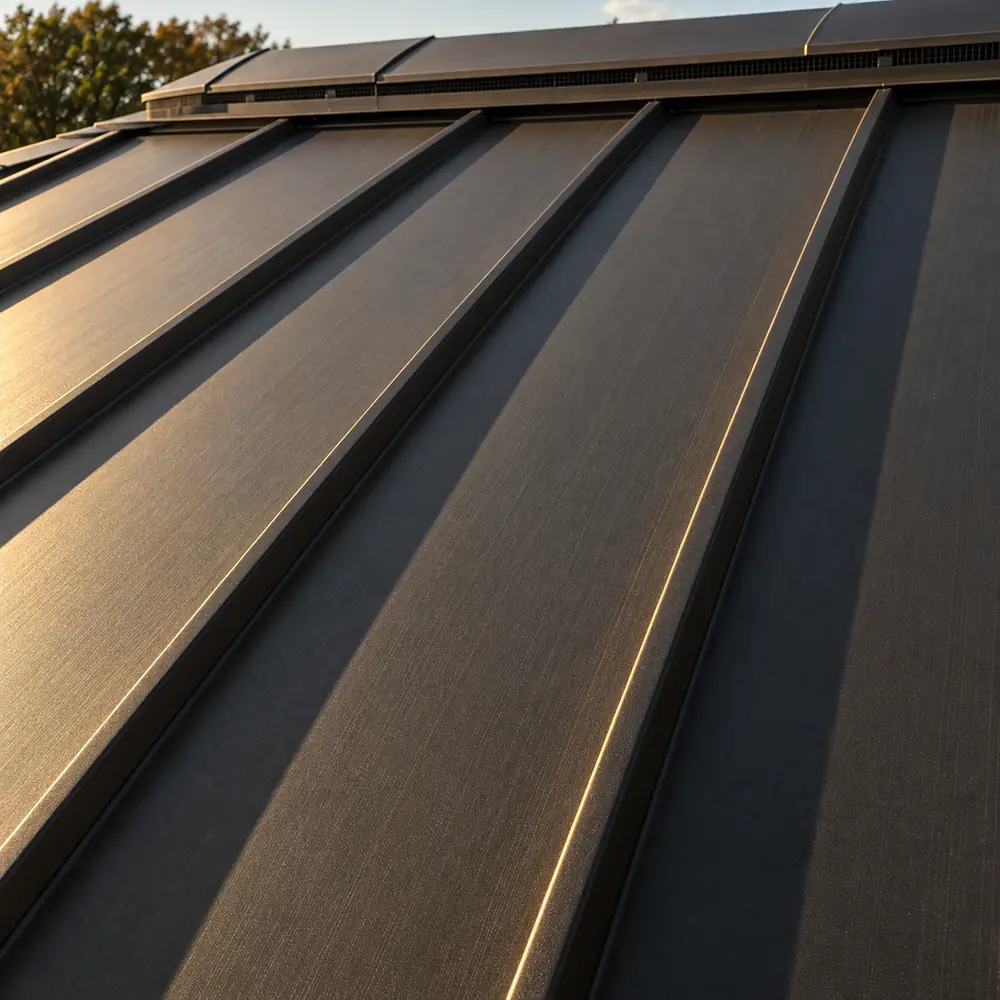
Dark bronze standing seam steel panels with raised seams catching the light02 / 06

Standing seam steel

Continuous steel panels with raised, concealed-fastener seams. Sheds snow and hail well, reflects heat, and never needs a tear-off again in your lifetime.

24-gauge steel with a factory paint finish, roll-formed into panels that run in one piece from eave to ridge. The seams stand 1 to 1.5 inches proud and the clips that hold each panel are hidden under the next seam, so there are no exposed screws to back out as the steel expands and contracts. It goes over high-temperature underlayment, and every trim piece (eave, rake, ridge, valley, wall) is bent to fit on the job.

Lifespan
50+ years
Wind rating
140+ mph
Weight
110 lb/sq
Minimum pitch
1/12 (mechanically seamed)
Impact rating
Class 4 (24-gauge)
Typical install
5–8 days on a typical home

What it does well

  • Outlasts two or three shingle roofs
  • Sheds snow cleanly, with snow guards over doors and paths
  • Hail usually dents the finish rather than breaking the seal
  • Light enough to suit older framing

What to weigh up

  • Two to two-and-a-half times the cost of shingle up front
  • Dents from large hail are cosmetic but permanent
  • Needs a crew that knows metal: poor trim work is where these roofs leak
How we install it
Tear-off, high-temperature underlayment, panels formed to length on site, hidden clips at 24-inch centres, vented ridge with closure strips, snow guards where roof meets walkway.
Looking after it
Almost none. Rinse off tree debris, keep dissimilar metals (copper, pressure-treated wood) from touching the panels, check sealant at pipe boots every 10 years.
Best for
Modern and farmhouse styles, low pitches, and houses in hail corridors.

$1,150per square installed, guide rate 3 of 5

Price this material
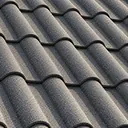
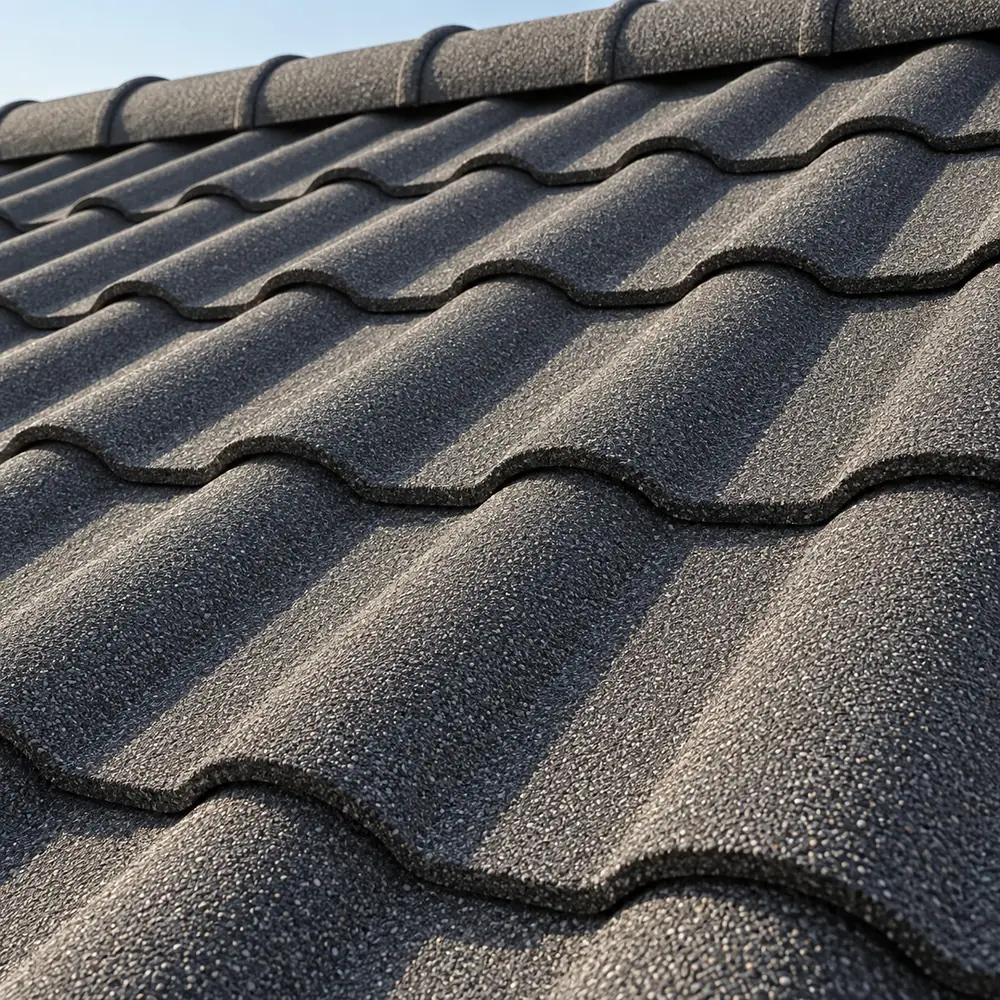
Close-up of grey stone-coated steel tiles with a wave profile and granular finish03 / 06

Stone-coated steel tile

Steel pressed into a tile or shake profile and coated in stone granules. The look of tile at a fraction of the weight, with a Class 4 impact rating.

Galvalume steel panels pressed into a barrel tile, shake or shingle profile, coated in acrylic and bonded stone granules. Each panel covers about the same area as eight to ten clay tiles, and they fasten to wooden battens, which leaves an air gap that helps the attic run cooler. The granule coat hides small dents, which is why it holds up so well in hail.

Lifespan
40–50 years
Wind rating
120 mph
Weight
150 lb/sq
Minimum pitch
3/12
Impact rating
Class 4
Typical install
4–6 days on a typical home

What it does well

  • Class 4 impact rating, often a lower insurance premium
  • A fifth of the weight of clay or concrete tile
  • Quiet in rain because of the granule coat and batten gap
  • Walkable for maintenance, unlike clay

What to weigh up

  • Costs more than shingle and has fewer colour choices
  • Granules can shed in the first year and collect in gutters
  • Not every roofer carries the trims, so repairs need the right supplier
How we install it
Tear-off, synthetic underlayment, counter-batten system on steep slopes, panels screwed to battens, profiled ridge and hip caps, closed valleys with factory trays.
Looking after it
Flush gutters after the first year of granule shedding, then an autumn check like any roof. Scratches can be touched up with the manufacturer's granule kit.
Best for
Homeowners who want a tile look without reinforcing the roof structure.

$900per square installed, guide rate 2 of 5

Price this material
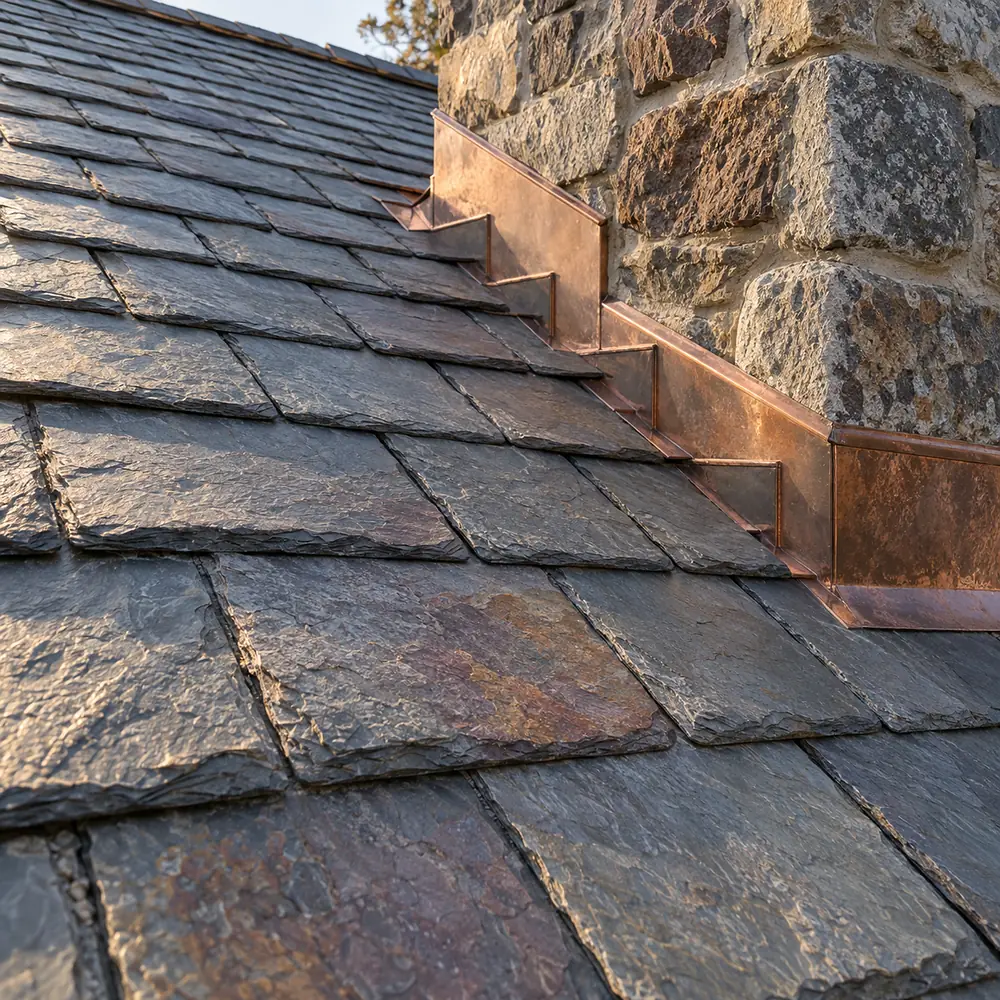
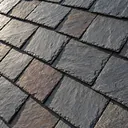
Natural slate courses meeting copper step flashing at a stone chimney04 / 06

Natural slate

Split stone laid by hand with copper nails. Heavy, slow to install and expensive, and on the right house it will outlast the people who paid for it.

Metamorphic rock split into slates 3/16 to 3/8 inch thick, holed and hung with two copper nails each, lapped so that every point on the roof is covered by at least two layers of stone. Most of our slate work is restoration in Ashford Old Town, where we keep the sound original slate, replace the broken ones with reclaimed stone of the same colour and rebuild the flashing in lead or copper. On new slate roofs an engineer checks the rafters first.

Lifespan
75–100+ years
Wind rating
110 mph
Weight
800–1,500 lb/sq
Minimum pitch
6/12 (4/12 with extra lap)
Impact rating
Varies by quarry and thickness
Typical install
10–15 days on a typical home

What it does well

  • The longest-lived roof we install, often 100 years
  • Fireproof and colourfast
  • Individual slates can be replaced for a century
  • Adds real value to historic and period houses

What to weigh up

  • Five times the cost of shingle and three times the install time
  • Heavy enough to need a structural check
  • Cannot be walked on without cracking; repairs need a slate crew
  • Flashings (not the stone) usually fail first, around year 50
How we install it
Structural check, battens or solid deck with felt, slates hung with copper nails and a 3-inch headlap, copper or lead valleys and step flashing, snow guards on long slopes.
Looking after it
A look from the ground each spring for slipped slates, and a flashing check every 10 years. Slipped slates are refixed with copper tingles, not sealant.
Best for
Historic homes, restorations, and anyone who never wants to reroof again.

$1,900per square installed, guide rate 5 of 5

Price this material
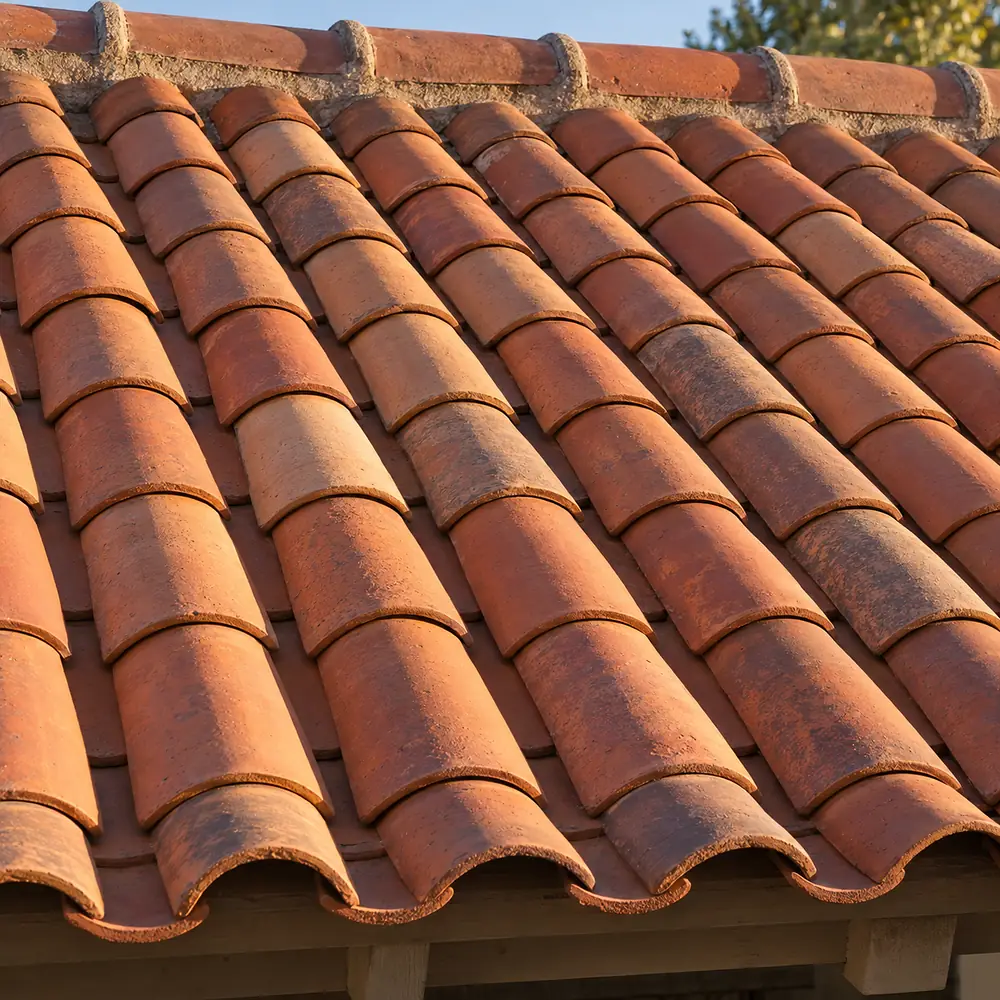
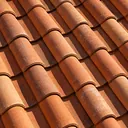
Terracotta barrel clay tiles in overlapping rows along a roof edge05 / 06

Clay tile

Kiln-fired barrel or flat tiles that keep their colour for decades. Excellent in heat, fragile underfoot, and always needs an engineer to check the rafters.

Natural clay shaped into barrel (S or two-piece) or flat interlocking tiles and fired in a kiln. The colour runs through the tile, so it never fades the way paint or granules do. The tile itself rarely fails; the underlayment beneath it does, usually at 25 to 30 years, so on older clay roofs we often lift the tile, replace the underlayment and battens, and relay the same tiles with 10 to 20% new stock.

Lifespan
50–100 years
Wind rating
125 mph
Weight
600–1,000 lb/sq
Minimum pitch
4/12
Impact rating
Class 1–2 (varies by profile)
Typical install
7–10 days on a typical home

What it does well

  • Colour lasts the life of the tile
  • Handles heat well, with a ventilated air space under barrel profiles
  • Old tile can usually be lifted and relaid
  • Fireproof

What to weigh up

  • Breaks under foot traffic and large hail
  • Heavy: an engineer's check is part of every new install
  • Matching discontinued profiles can take weeks
How we install it
Engineer's check, two-ply underlayment, pressure-treated battens, wind clips or foam set on every tile in exposed areas, mortar or dry-fix ridges, lead or copper valleys.
Looking after it
Stay off it. Replace cracked tiles from the ground up with a ladder hook, clear leaf build-up behind barrel tiles, and budget for an underlayment relay around year 25 to 30.
Best for
Mediterranean and Spanish revival homes with a structure built for the weight.

$1,400per square installed, guide rate 4 of 5

Price this material
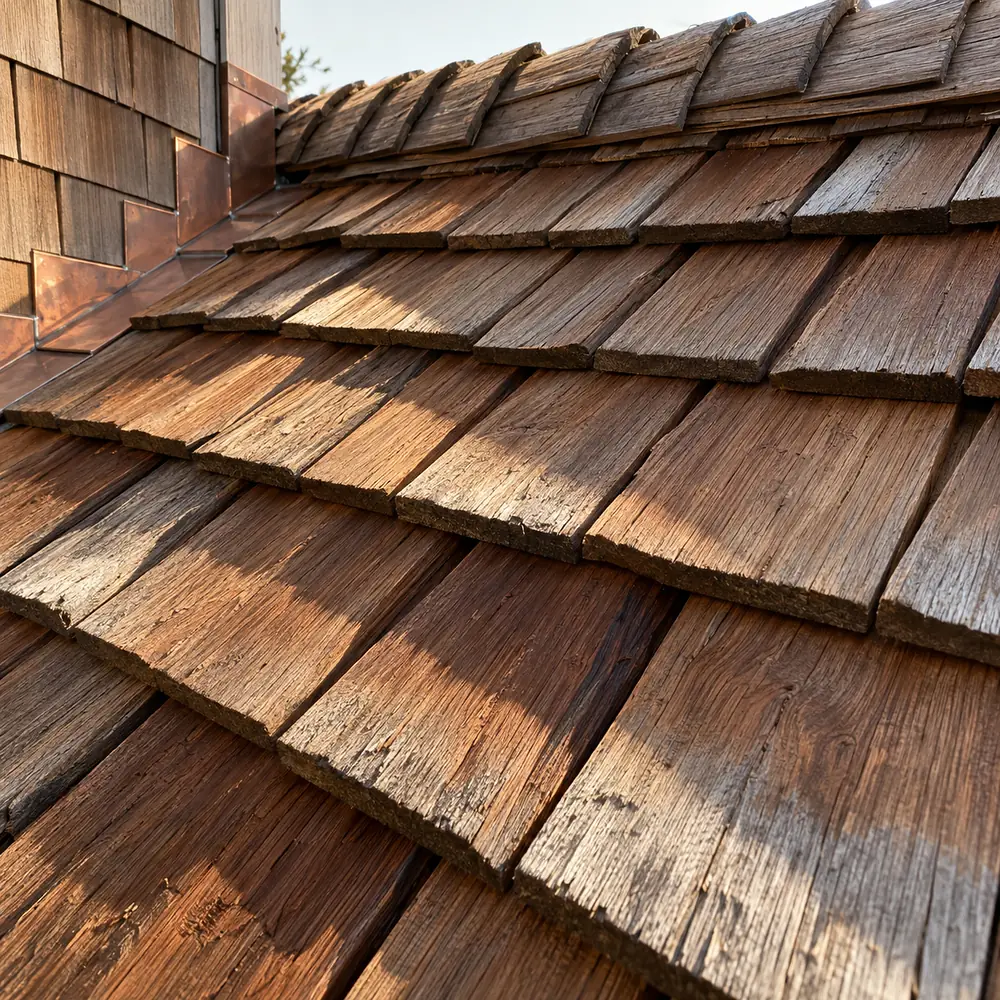
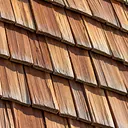
Close-up of weathered cedar shakes at a roof ridge06 / 06

Cedar shake

Split western red cedar that silvers to grey within a few years. Beautiful and breathable, but it needs cleaning and treating to reach its full life.

Hand-split or taper-sawn western red cedar, laid over spaced sheathing or a breathable mat so the wood can dry from both sides. We use pressure-treated, fire-retardant grades with stainless steel nails, because bright or galvanised nails stain and corrode within a few years. The warm red colour silvers to grey within two to three summers unless it is treated.

Lifespan
25–35 years
Wind rating
110 mph
Weight
350 lb/sq
Minimum pitch
4/12
Impact rating
Class 2–4 (treated grades)
Typical install
5–8 days on a typical home

What it does well

  • Unmatched texture on cottages and craftsman homes
  • Naturally insulating and breathes well
  • Light enough for any framing
  • Individual shakes are easy to replace

What to weigh up

  • Needs cleaning and treating every 3 to 5 years
  • Moss and rot in shaded, damp spots shorten its life
  • Fire-rated grades cost more; check with your insurer first
How we install it
Tear-off, breathable underlayment or interlayment felt, spaced sheathing where needed, two stainless nails per shake, 1/4-inch gaps for swelling, copper ridge strip to slow moss.
Looking after it
Blow off debris twice a year, keep branches trimmed back for sunlight, clean and apply a preservative every 3 to 5 years, and replace split shakes as they appear.
Best for
Cottages, Cape Cods and craftsman homes where the texture matters.

$1,100per square installed, guide rate 3 of 5

Price this material

(Side by side)

All six, compared

Guide rates are installed prices per square (100 sq ft) before tear-off. Price per year uses the middle of each lifespan.

Comparison of six roofing materials: lifespan, wind rating, weight, relative cost, guide rate, price per year and what each is best for
MaterialLifespanWind ratingWeightRelative costPer squarePer square, per yearBest for
Architectural shingle25–30 yrs110–130 mph240 lb/sq1 of 5$520$19Most houses, most budgets, and anyone planning to stay 10 to 25 years.
Standing seam steel50+ yrs140+ mph110 lb/sq3 of 5$1,150$23Modern and farmhouse styles, low pitches, and houses in hail corridors.
Stone-coated steel tile40–50 yrs120 mph150 lb/sq2 of 5$900$20Homeowners who want a tile look without reinforcing the roof structure.
Natural slate75–100+ yrs110 mph800–1,500 lb/sq5 of 5$1,900$22Historic homes, restorations, and anyone who never wants to reroof again.
Clay tile50–100 yrs125 mph600–1,000 lb/sq4 of 5$1,400$19Mediterranean and Spanish revival homes with a structure built for the weight.
Cedar shake25–35 yrs110 mph350 lb/sq3 of 5$1,100$37Cottages, Cape Cods and craftsman homes where the texture matters.

(Choosing)

Six questions that choose most roofs

We ask these on every inspection before we talk about colour.

  • How long will you stay in the house?

    Under 10 years, architectural shingle is almost always the best value. Ten to 25 years, shingle or stone-coated steel. The rest of your life, standing seam or slate start to pay for themselves.

    Points to: shingle, steel tile, standing seam
  • How steep is the roof?

    Below 3/12, only standing seam steel (or a membrane on porches) keeps water out reliably. Slate wants 6/12 or more. Everything else is happy between.

    Points to: standing seam on low pitches
  • Can the structure take the weight?

    Slate and clay weigh three to six times as much as shingle. On a new install an engineer checks the rafters first. If they need reinforcing, stone-coated steel gives a similar look at a fraction of the weight.

    Points to: steel tile instead of clay or slate
  • Do you get hail?

    Kestrel Heights sits in the valley's main hail corridor. Class 4 shingle, stone-coated steel and standing seam all hold up far better, and some insurers lower the premium for them.

    Points to: Class 4 shingle, steel tile, standing seam
  • Is the house historic?

    On Ashford Old Town cottages and period homes, matching what is there usually means restoring slate or cedar rather than replacing it. Check whether your street has design rules before choosing.

    Points to: slate restoration, cedar
  • What does it cost per year?

    Divide the installed price by the years it lasts. Shingle, clay and steel tile land close together; cedar costs the most per year once you add its upkeep.

    See the last price column in the table

(Free inspection)

See what your roof would cost in each.

Try any material in the estimator, then book a free inspection for a fixed written price.