
Storm line open 24/7 · (406) 555-0142
Serving the Ashford ValleyMon–Fri 07:00–18:00 · Sat 08:00–13:00

Storm line open 24/7 · (406) 555-0142
03 · Storm & hail damage
Emergency tarping within 24 hours, a claim-ready photo report, and a crew that meets your adjuster on the roof. You stay in charge of the claim and pay your deductible, nothing hidden on top.
(The first 24 hours)
The same advice we give on the phone at two in the morning. None of it involves a ladder.
Right away
Wet, bruised shingles are slippery and easy to damage further.
First hour
Move valuables, put a bucket under drips, and call the storm line.
First few hours
Date-stamped phone photos are the best evidence a claim will ever have.
Within 24 hours
Open a claim, write down the claim number, then send it to us.
(Emergency tarping)
We use reinforced 12-mil tarps, run over the ridge where we can and battened with 2 × 4 strips screwed through into the deck. Sandbags and roofing nails through the tarp blow off or let water in within a week.
Larkspur Court · skylight and back slopeSee the full job
(The insurance claim)
You stay in charge of the claim. We supply the evidence and stand on the roof with the adjuster.
Call your insurer or use their app. Write down the claim number and the date of loss, and send both to us.
Every slope photographed, a 10 × 10 ft test square chalked on each slope that faced the storm, hits counted, soft-metal dents measured. Report within 24 hours.
We meet your adjuster on the roof with the report and walk every slope together, test square by test square. You do not need to climb up; most homeowners watch from the drive.
The insurer sends a line-item scope. We check it against our report and ask for a supplement if anything was missed, such as drip edge, ice shield or permit fees that code requires.
The same process as any replacement: delivery, tear-off, daily photos, walkthrough. You pay your deductible and any upgrades you chose, nothing else.
We send the insurer the final invoice, completion photos and a certificate of completion, so any held-back depreciation is released to you.
(Claim report)
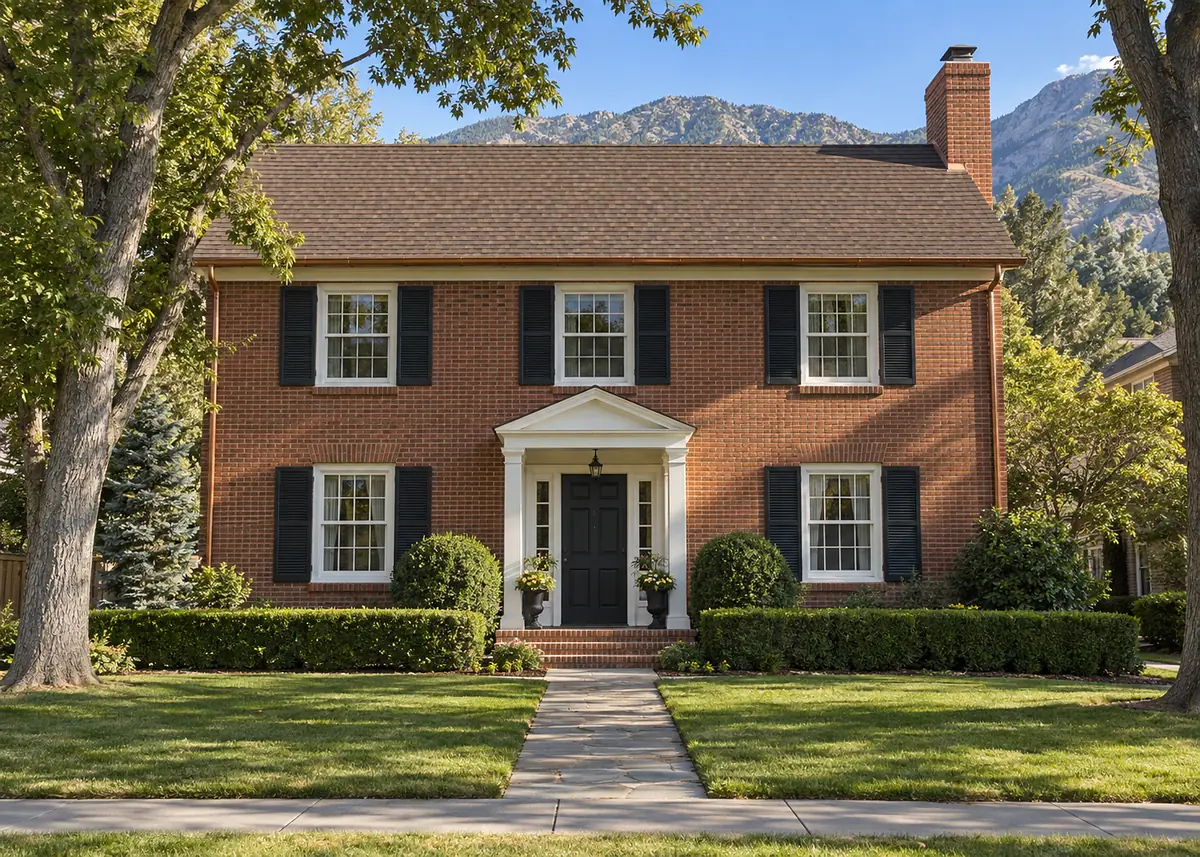
From the Kestrel Heights colonial after the June 18 storm: 64 photos, four slopes, one report. Approved in full on the first review.
Every slope drawn and numbered, with the hit count from its test square.
Dents in gutters, vents and the AC unit measured against a scale.
The storm date and time from your call, matched to the damage.
Screens, siding, fences and cars noted, because adjusters look for them.
Stains, wet insulation and ceiling damage, photographed.
In the same format adjusters use, so the two can be compared line by line.
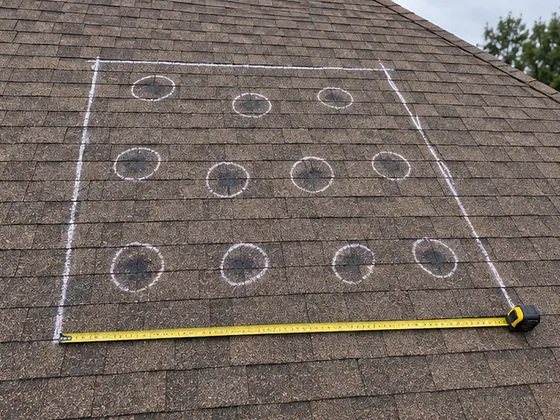
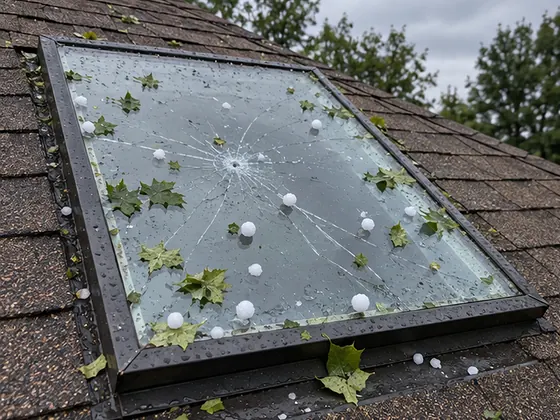
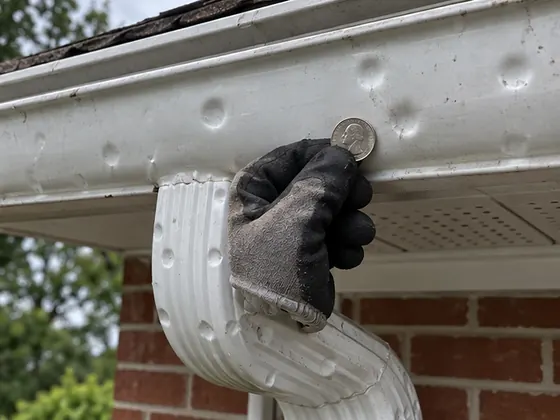
64 photos · 4 slopes · test square on eachDocumented by L. Ortega
(After a storm)
After a big hailstorm, out-of-town crews knock on every door in the valley. Some are fine. These five rules keep you safe from the rest.
(Related)
Yes. We document the damage, meet your adjuster on site and supply the photo report. You stay in charge of the claim and pay your deductible; we never waive or hide it.
No. You can choose your own contractor. Your insurer pays for the approved scope of work, whoever does it.
Usually, yes. Temporary repairs to prevent further damage are part of most homeowner policies. We invoice the tarp as its own line in the claim scope.
We can re-inspect and tell you honestly whether there is damage the adjuster missed. If there is, we can document it for a re-inspection request. If there is not, we will tell you that too.
It depends on your policy, often one year from the storm date, sometimes less. Check your policy, and do not wait: damage is easier to prove while it is fresh.
Do not sign anything on the doorstep, especially an assignment of benefits or a contingency agreement. Get a written inspection first and check the company has a local address.

(Storm line 24/7)
Call the storm line day or night. We tarp open areas within 24 hours, and that visit is part of your claim, not an extra.